Home Spray with Organic and Long-Lasting Scents


The olfactory setting of a living room represents a crucial position in how it's perceived by people and visitors alike. Research in to physical psychology implies that smell is directly linked to the brain's limbic Home Spray process, which regulates feeling and memory. Therefore, a house that harbors uncomfortable odors may automatically trigger tension or vexation, while a fresh-smelling setting encourages relaxation.
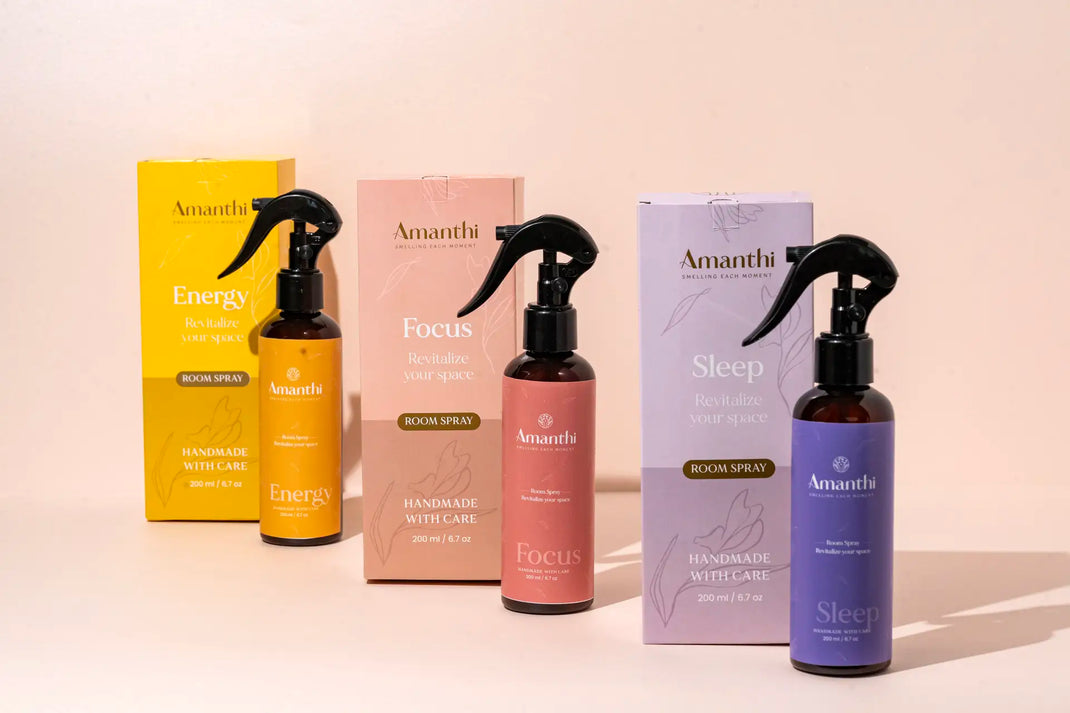
Home sprays have surfaced as a principal software for handling indoor air quality. Unlike passive options such as for example reed diffusers or solid gels, sprays provide immediate remediation. This guide examines the aspects of smell removal, the efficiency of varied apply types, and most useful techniques for sustaining a simple, tempting aroma account in your home.
Exactly why is Immediate Odor Neutralization Essential?
The physics of scent relies on volatile molecules evaporating in to the air. When organic matter decays (like trash), or when moisture generates form, these molecules become airborne. Reports on indoor quality of air show these molecules may remain on porous materials for times or even treated.
House sprays are designed for kinetic action. By misting a remedy to the air, you are presenting neutralizing brokers that join to or breakdown the malodorous molecules. This really is significantly faster than passive methods. For homeowners coping with intense odor events—such as burned food or pet accidents—sprays provide the required rate to reset the surroundings ahead of the scent pieces in to textiles and furniture.
How Do Stench Eliminators Differ from Masking Agents?
A standard misunderstanding is that most sprays purpose identically. Nevertheless, there's a distinct chemical big difference between masking an odor and reducing it.
Masking Brokers: The products rely on a high attention of large aroma oils. They perform by overwhelming the nasal receptors, successfully hiding the bad scent below a tougher, nice one. While helpful in the short-term, the main odor molecules remain. This frequently benefits in a clashing mixture of smells once the masking agent starts to dissipate.
Scent Eliminators: These formulations use chemistry to alter the molecular framework of the bad smell. Components such as zinc ricinoleate or cyclodextrin trap stench molecules, avoiding them from holding to nasal receptors. For long-term quality, utilizing an eliminator is statistically more effective than counting exclusively on masking agents.
What Ingredients Must Customers Prioritize?
As recognition of interior pollutants develops, the need for openness in house products has increased. Risky Normal Substances (VOCs) are often present in aerosol sprays and may subscribe to bad indoor air quality.
When selecting a home apply, specialists recommend looking for:
• Natural Important Oils: These give aroma without synthetic phthalates.
• Enzymatic Cleaners: Specially for dog owners, enzyme-based sprays consume the germs inducing the smell somewhat than simply treating the air.
• Water-Based Remedies: These are generally weightier, enabling the drops to stay on surfaces and textiles wherever scents live, fairly than just floating temporarily in the air.
Where's the Most Successful Place to Apply Home Apply?
Knowledge regarding aroma retention shows that using apply entirely to the air is minimal effective technique for long-lasting freshness. Air currents and ventilation methods cycle air out of an area fast, frequently within minutes.
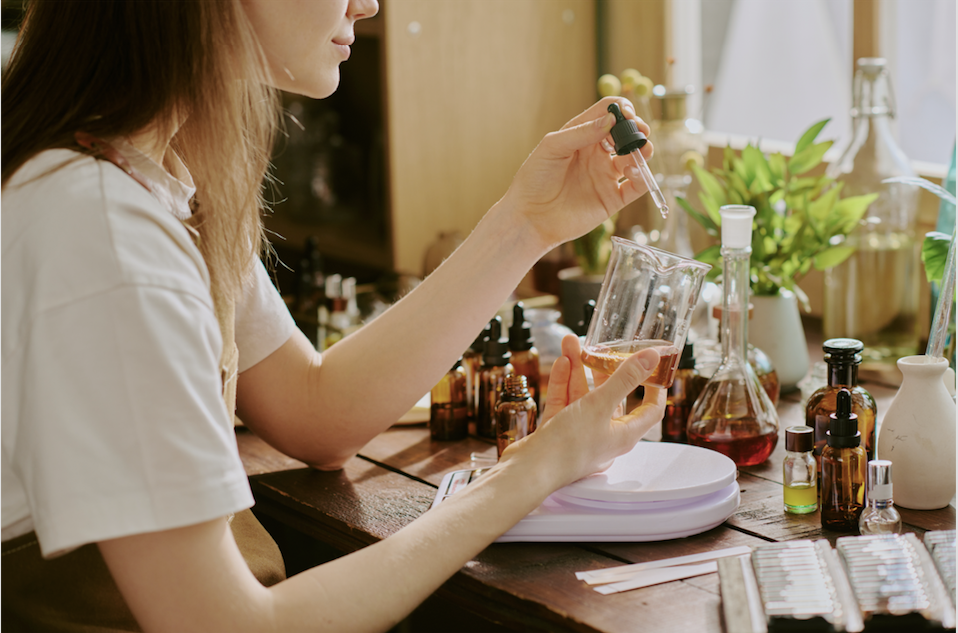
To increase the efficiency of a property apply, goal porous surfaces. Textiles such as for example curtains, couch blankets, place carpets, and put quilts behave as "scent anchors." When you gently water these fabrics (always screening for colorfastness first), the materials capture the perfume molecules and release them slowly as time passes as persons move the room and affect the air. This strategy runs the lifespan of the aroma software somewhat compared to treating the middle of a room.
Establishing a Odor Routine
Sustaining a pleasant house setting is not about frustrating a place with aroma, but alternatively handling the baseline stench profile. Experts suggest a reactive method of acute odors (cooking, pets) and a aggressive way of basic freshness. By picking supreme quality, enzymatic, or neutralizing sprays and applying them to textiles, you create a constant, inviting environment that aligns with the psychology of a happy home.